
Thinking about adding a storm door to your home? Before spending the money, there's one question worth answering: What do you actually want it to do?
Maybe you want to open your front door on a nice fall day without inviting every mosquito in the neighborhood inside. Maybe your entryway feels dark. Or maybe you're hoping a storm door will finally stop that cold draft you feel every winter.
Those are all reasonable reasons to consider one. But they don't necessarily have the same answer.
The short answer: A storm door can be worth it for fresh air, natural light, added protection from the weather, and an extra barrier against outdoor temperatures. However, if your existing entry door doesn't seal properly, adding a storm door may not be the best way to solve the problem.
Willie from Joyland Windows & Doors walks through the benefits in our video, including a real customer who thought a storm door would fix a draft. As it turned out, the actual solution was much simpler.
Willie explains when a storm door is worth buying and when fixing your existing entry door might be the smarter option.
What does a storm door actually do?
A storm door is a second exterior door installed in front of your primary entry door. Most storm doors have an aluminum frame with glass, a screen, or a combination of both.
Depending on the style, you can use glass for added protection against outdoor weather or use a screen to allow fresh air into your home when the main entry door is open.
Think of it as an extra layer between your home and the outdoors.
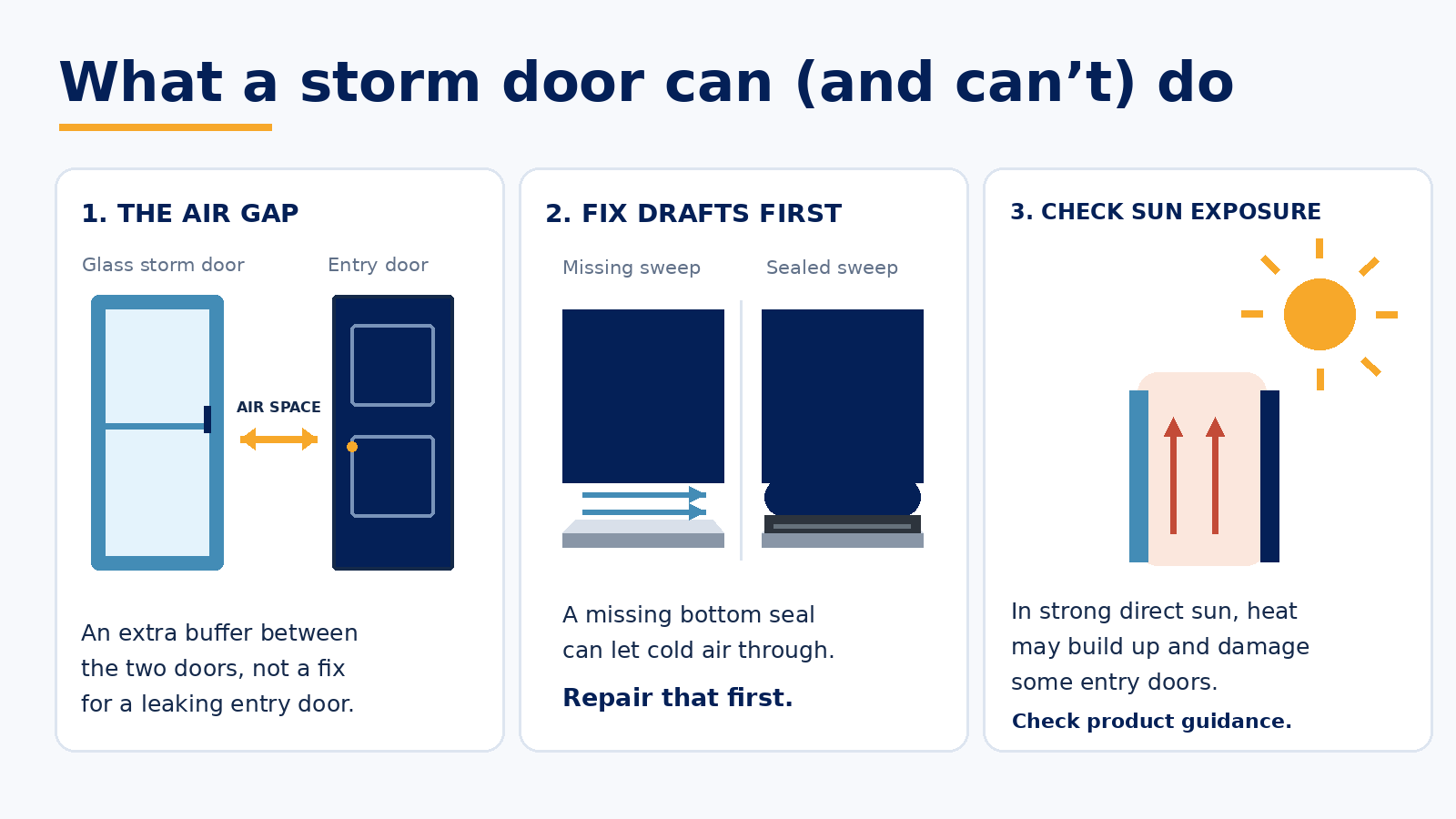
When a glass storm door and your main door are both closed, the air space between them can help reduce some heat transfer. When the screen is in place and your main door is open, fresh air can circulate while the screen helps keep insects out.
However, your main door still needs to fit, close, latch, and seal correctly. A storm door doesn't replace those essential functions.
If you're comparing different products, you can explore the entry doors and storm door options available through Joyland Windows & Doors .
1. A storm door lets you enjoy fresh air without inviting bugs inside
One of the biggest reasons homeowners want a storm door is surprisingly simple. They want to open their front door and enjoy the outside air.
In south-central Pennsylvania, we get some beautiful spring and fall days when it's comfortable enough to turn off the heating or cooling system and enjoy a breeze.
With a screen-equipped storm door, you can leave your main entry door open and let fresh air into your home while the screen helps keep flying insects outside.
This is particularly useful if your entrance connects directly to a living room, kitchen, or another frequently used area of your home.
How does the screen work?
Traditional storm doors often come with interchangeable glass and screen panels. During colder months, homeowners generally keep the glass installed to provide another barrier against the weather.
When warmer weather arrives, they can remove the glass panel and replace it with a screen. This allows airflow without leaving the doorway completely open.
The downside is that you need somewhere safe to store whichever panel you're not using.
Newer retractable-screen storm doors make that process much easier.
Rather than removing an entire panel, you adjust the glass section and the screen extends into place. Depending on the model, the screen rolls into a housing when it's not being used.
That means you can enjoy a clear glass view one day and fresh air through the screen the next without having to carry a large panel into your garage or basement.
2. A storm door can bring more natural light into your entryway
Some homeowners prefer a solid entry door without windows. Maybe they want more privacy, a certain appearance, or a fully insulated door slab.
The downside is that a solid front door can make an entryway feel a little dark.
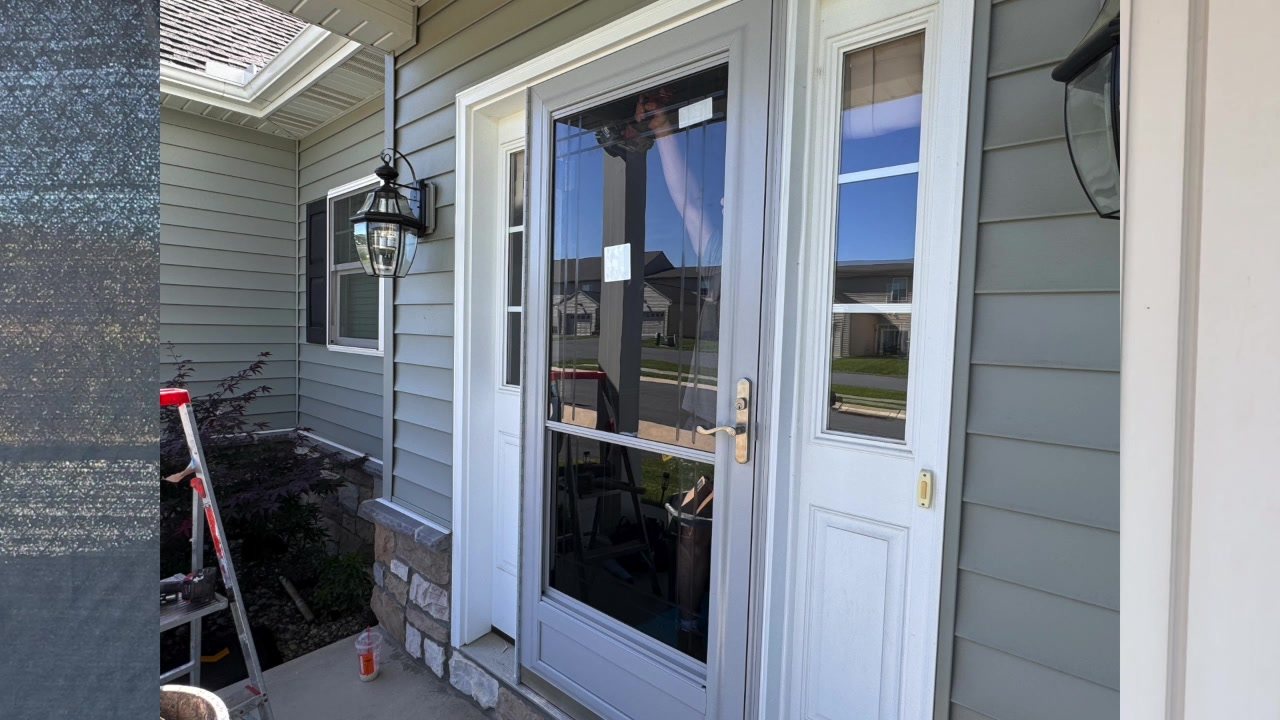
A full-view glass storm door can provide another option without permanently changing the appearance of the main entry door.
On a pleasant day, you can open your main door, leave the glass storm door closed, and allow daylight to shine into the entrance.
That can make a foyer or nearby living area feel brighter and more inviting.
There's one important detail: the main entry door must be open for that additional light to come through.
A glass storm door won't brighten a room behind a closed solid entry door.
And while the storm door provides another physical layer, your main entry door should still be used for normal home security. A typical storm door isn't designed to replace a properly secured entry door.
3. A storm door can help protect your entry door from the weather
Pennsylvania weather doesn't always cooperate with our plans.
Between heavy rain, snow, freezing temperatures, and wind-driven storms, exterior doors can take a beating.
A properly installed storm door provides another layer between the weather and your main entry door.
It can help reduce direct exposure to rain, snow, and ice, which may help protect certain finishes and door components over time.
Does every entry door need that protection?
Not necessarily.
This is something Willie specifically points out when evaluating whether a storm door is worth installing.
If your front entrance has a large porch roof or deep overhang, the main door may already be well protected from much of the weather.
In that situation, the additional protection from a storm door might not provide enough benefit to justify the cost.
However, if your entry faces an open yard and regularly gets hit by wind-driven rain, a storm door may offer more value.
That's why it's important to evaluate the entire entrance, not just the door itself.
A storm door also needs correct installation, drainage, and maintenance. It shouldn't be treated as a guaranteed solution to water intrusion around an improperly installed entry door.
4. A storm door can add another barrier against hot and cold air
This is one of the most common reasons homeowners ask about storm doors.
They want to keep warm air inside during the winter and reduce heat coming into the home during the summer.
A closed glass storm door creates an additional air space between the exterior and the main entry door.
That air space can help reduce some heat transfer through the entrance.
However, there's an important difference between adding another insulating layer and actually stopping an air leak.
If your existing entry door is already well insulated and properly sealed, the additional energy benefit of a storm door may be relatively small.
And if your main door is leaking air because of damaged weatherstripping or a missing door sweep, a storm door won't automatically correct it.
Before buying a storm door specifically to lower your heating bill, find out where the air is coming from.
Which type of storm door should you choose?
Storm doors come in several configurations. The right one depends on how much ventilation you want, how often you plan to use the screen, and the appearance you prefer.
| Type | How it works | Best for |
|---|---|---|
| Full-view glass | A large glass area offers an open appearance. Some models allow the glass to be exchanged for a screen. | Homeowners who want maximum visibility and natural light. |
| Interchangeable screen | Glass and screen panels can be removed and exchanged depending on the season. | Homeowners who don't mind storing an unused panel. |
| Retractable screen | A built-in screen extends or retracts as the glass is adjusted, depending on the model. | Homeowners who want convenient ventilation without swapping panels. |
| Partial-view or self-storing | Combines glass and screen sections, often with a more solid lower portion. | Everyday use and entrances where a traditional appearance is preferred. |
For example, ProVia's Spectrum storm-door line offers retractable-screen configurations that let homeowners switch between a glass view and ventilation.
You can compare these types with the storm door styles Joyland offers and review the manufacturer's Spectrum screen configurations for additional product details.
The biggest reason to skip a storm door: it might not fix your actual problem
Here's where things get interesting.
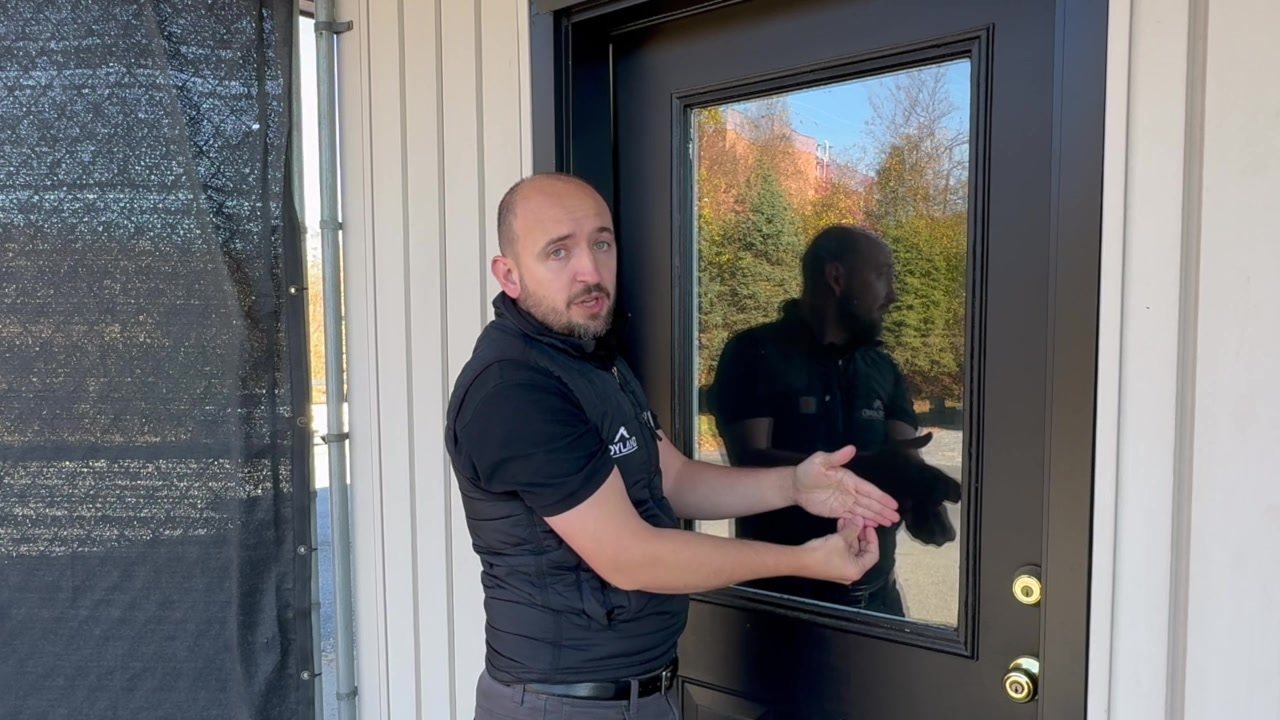
Willie shared a real example of a homeowner who wanted a storm door because cold air was coming through the entryway.
The homeowner assumed that adding another door would help keep the cold air outside.
But when Willie evaluated the existing door, he found the actual problem.
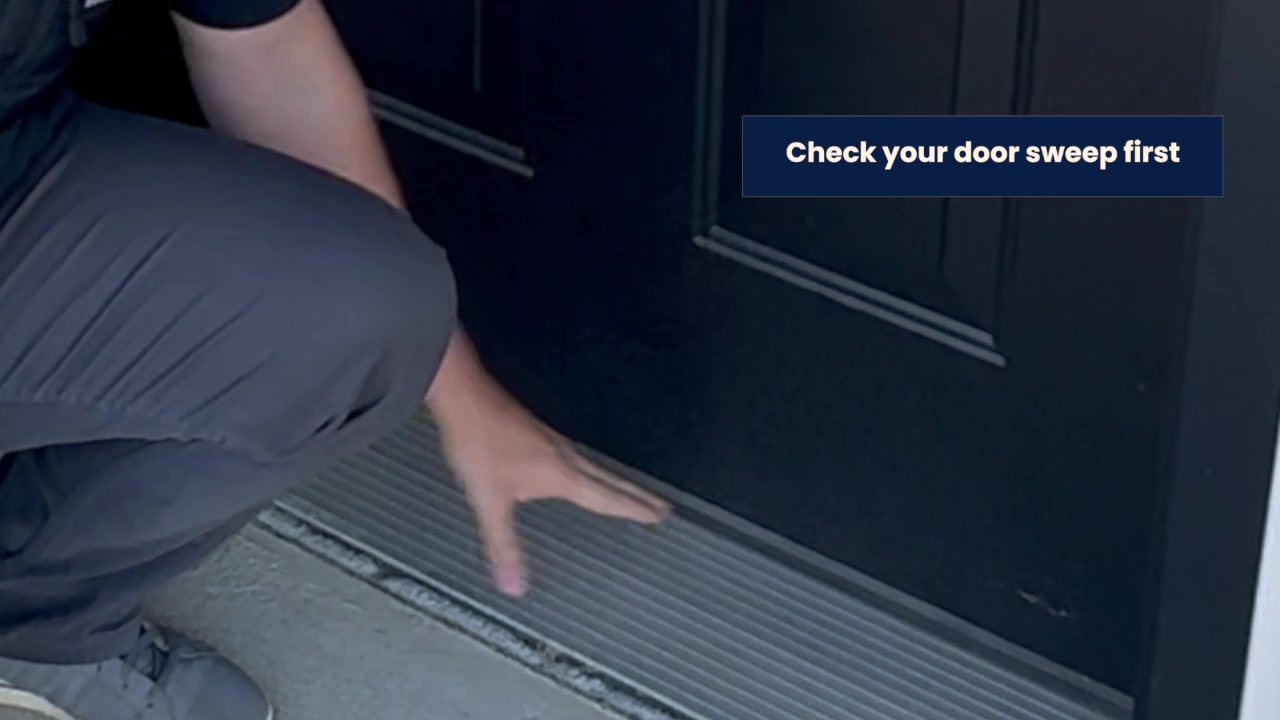
The bottom of the door wasn't properly sealed at the sill, and it was missing a door sweep.
That missing sweep allowed outside air to come directly into the home.
Adding a storm door might have provided another barrier, but it wouldn't have corrected the gap in the main entry door.
Instead, properly sealing the existing door was the more direct and less expensive solution.
The takeaway: Sometimes the best storm door recommendation is not to buy one. Fixing the actual source of a draft may accomplish more for less money.
Four things to check if your front door feels drafty
- Door sweep: Check the bottom of the door. A door sweep is the flexible seal attached along the lower edge of the door slab. It helps close the gap between the door and the threshold.
- Weatherstripping: Check along the sides and top of the frame. Damaged, flattened, loose, or missing weatherstripping can allow outside air to enter.
- Threshold and sill: Look for visible openings where the bottom of the door meets the frame and floor. Deteriorated seals or gaps can allow drafts or moisture.
- Door alignment: Make sure the door closes evenly and latches snugly. A door that's out of alignment may not compress its seals properly.
A quick visual check can sometimes reveal the problem. On a bright day, look for daylight around a fully closed door. On a windy day, carefully feel for air movement around the edges.
If you find a gap, the solution might involve adjustment, weatherstripping, a replacement door sweep, or a threshold repair.
The U.S. Department of Energy's guidance on exterior door weatherstripping reinforces the importance of a properly installed sweep and seals that limit air infiltration without preventing the door from operating correctly.
If your door isn't closing, sealing, or latching as it should, Joyland also offers window and door repair services , including threshold sweep replacement and weatherstripping repairs.
It doesn't automatically mean you need a new entry door, and it certainly doesn't mean you need to add a storm door to cover up the issue.
What if the door is too old to repair?
Sometimes replacing a sweep or adjusting the hardware is enough. Other times, an aging entry door has several problems at once, including a poor fit, damaged components, or deteriorating materials.
In those situations, replacing the main door may make more sense than adding a storm door to an entrance that already has significant issues.
For a real example, read about a Pennsylvania homeowner whose older doors had become drafty and difficult to use and how replacing them improved their operation and comfort.
Can a storm door actually damage your entry door?
There's one potential downside that deserves attention, especially if you have a dark-colored front door that gets direct sunlight.
A glass storm door can trap heat in the space between itself and the main entry door.
If the entrance receives strong sunlight, temperatures in that space can rise significantly.
Dark-colored door surfaces may absorb more solar heat, which can place additional stress on certain materials and finishes.
Under the wrong conditions, excessive heat may contribute to fading, finish damage, or door distortion.
Important: Before installing a glass storm door over a sun-exposed entry door, check the manufacturer's installation, ventilation, and warranty requirements.
The direction your door faces, the amount of shade it receives, and the glass configuration can all make a difference.
This doesn't mean every dark entry door is unsuitable for a storm door.
It means you shouldn't automatically assume that adding another layer is always beneficial.
ProVia explains this issue in more detail in its guide to Low-E storm doors, trapped heat, and sun exposure . The manufacturer specifically warns that high temperatures can build up between doors and recommends appropriate ventilation when needed.
If your entrance gets strong afternoon sun, it's worth evaluating that exposure before choosing a product.
How much does a storm door cost?
Storm door costs vary based on the model, glass configuration, screen system, hardware, size, and installation requirements.
According to Angi's 2026 storm door installation cost guide , the national average installation cost is approximately $436. The guide reports that many projects fall between $187 and $684, although specialty doors and more complicated installations can cost more.
Those are national reference figures, not a Joyland Windows & Doors quote or a guaranteed local installation price.
A premium storm door, custom-sized opening, or additional work to the surrounding trim and frame can change the overall cost.
The important thing is to consider what you're actually getting for the money.
If your only concern is an air leak caused by a damaged sweep, repairing the existing door may be the smarter investment.
But if you want the convenience of fresh air, a screen you can easily use, and protection for an exposed entrance, a storm door might be worth the expense.
So, is a storm door worth it for your Pennsylvania home?
For many homeowners, the answer is yes.
A storm door can provide convenient ventilation, more natural light, and another layer of protection against Pennsylvania's changing weather.
But it's not something every home needs.
If your entry door is already well protected by a porch roof, properly insulated, and sealed against drafts, you may not see much additional benefit.
And if your existing door has a problem, such as a damaged sweep or weatherstripping, the first step should be addressing that issue directly.
The real question isn't just whether you should buy a storm door. It's what you want the storm door to accomplish.
Joyland Windows & Doors works with homeowners throughout south-central Pennsylvania, including Lancaster, Lebanon, Berks, and surrounding counties. You can explore our window and door service areas to see where we work.
Once you know what you're trying to accomplish, it's much easier to decide whether the investment makes sense.
Not sure what your entryway actually needs?
At Joyland Windows & Doors, we help homeowners understand their options, whether that means addressing an issue with an existing door or considering an upgrade.
We'd rather help you solve the right problem than recommend a purchase that doesn't make sense for your home.
Contact Joyland Windows & DoorsFrequently asked questions about storm doors
Does a storm door help with drafts?
A storm door can provide another barrier against outdoor air and reduce some heat transfer. However, it doesn't necessarily fix drafts coming through gaps in the main entry door. Check the sweep, weatherstripping, threshold, and door alignment first.
Will a storm door make my home more energy-efficient?
It may improve the thermal performance of certain entryways, particularly older or exposed doors. However, a well-insulated, properly sealed modern entry door may receive only a modest additional benefit. Actual savings depend on the home and existing door.
Can I use a storm door screen all year?
You can, but the best configuration depends on the weather. A screen allows air to pass through, while a glass panel provides an additional barrier when both doors are closed.
What's the difference between a storm door and a screen door?
A traditional screen door primarily provides ventilation and insect protection. A storm door typically includes glass panels or interchangeable glass and screen features for added protection and flexibility.
Can a storm door damage a dark front door?
Under some conditions, yes. A closed glass storm door exposed to strong sunlight can trap heat against the main entry door. Always check the manufacturer's guidance regarding storm-door compatibility and ventilation.
Should I repair my front door before adding a storm door?
If your main concern is a draft, water intrusion, or difficulty closing the door, inspect and address those issues first. A storm door isn't a replacement for a properly functioning main entry door.
About this guide
This article is based on practical door assessments and explanations from Willie at Joyland Windows & Doors, supported by technical information from the U.S. Department of Energy, ProVia, and published national installation cost data.
Our goal is to help homeowners understand how these features work and make an informed decision before investing in a storm door.